Understanding the Importance of Spa Ads
In today’s competitive wellness industry, effective marketing through Spa Ads is crucial for attracting and retaining clientele. Spa advertising not only promotes services but also shapes the brand's perception among potential customers. With an ever-growing market, it’s essential for spa owners to understand how to craft messages that resonate with their target audiences and highlight the unique offerings that set them apart from competitors.
What Makes Spa Ads Effective?
Effective spa ads leverage emotional appeal, showcasing serenity and relaxation, which are key drivers for potential clients. To achieve this, advertisers utilize:
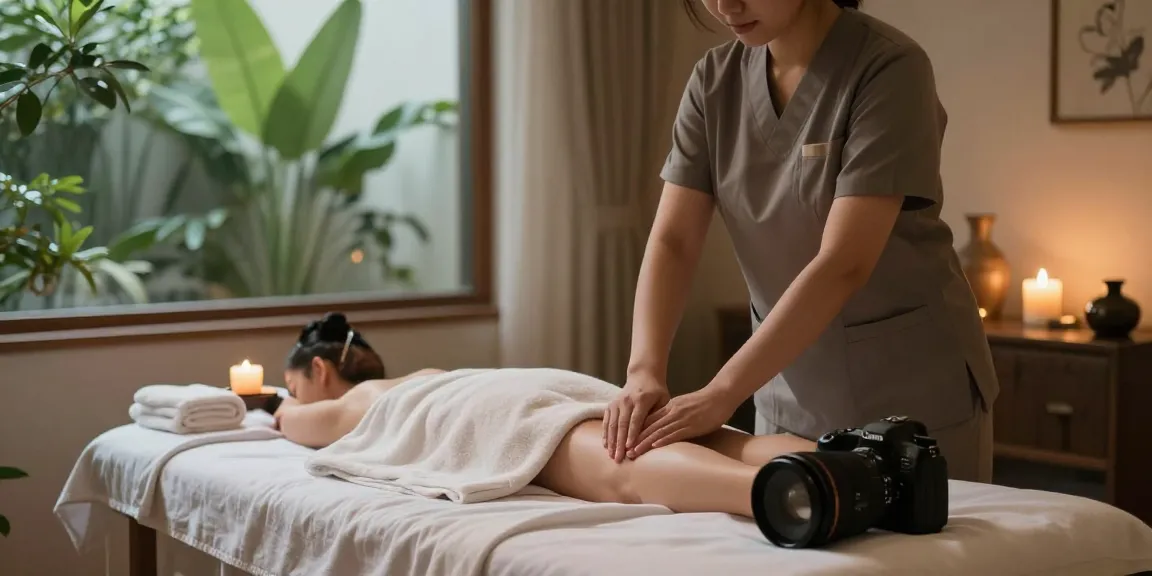
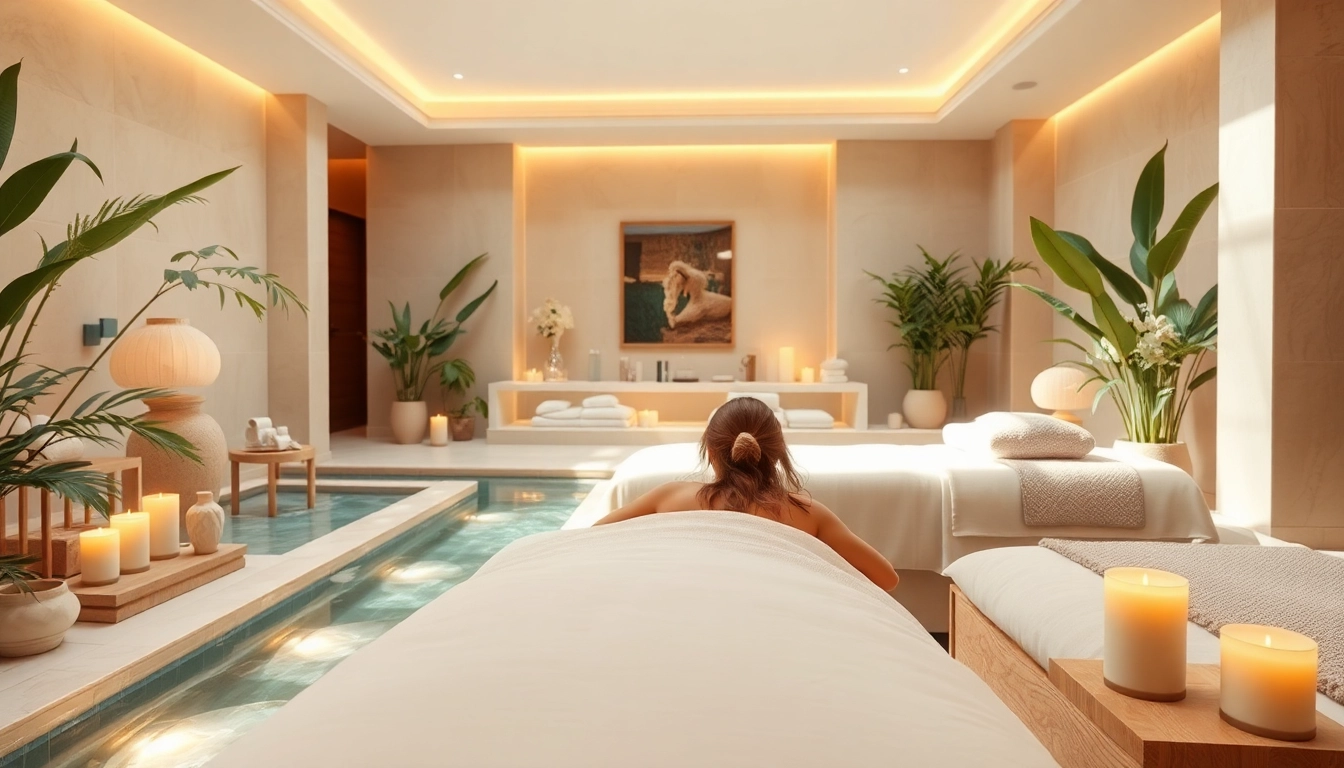
- High-quality visuals: Images should convey the luxurious and tranquil experience that awaits clients.
- Clear messaging: Advertisements must clearly communicate services and promotions without overwhelming the audience.
- Targeted campaigns: Utilizing data analytics to reach specific demographics interested in wellness and beauty.
Common Challenges in Spa Advertising
While creating effective ads is vital, spa owners often face several challenges:
- Market Saturation: With numerous spas vying for attention, standing out becomes increasingly difficult.
- Budget Constraints: Small spas may struggle to allocate sufficient funds for advertising.
- Shifting Trends: The wellness industry is dynamic, with trends evolving rapidly, necessitating constant adaptation in marketing strategies.
Identifying Your Target Audience for Spa Ads
Understanding your target audience is essential for crafting relevant and engaging spa ads. Consider factors such as:
- Demographics: Age, gender, and income level can influence spa service preferences.
- Psychographics: Lifestyle choices and values play a key role in determining the messaging and channels used.
- Behaviors: Analyzing customer purchase history can provide insights into what type of services and promotions will resonate.
Innovative Strategies for Spa Advertising
Innovative advertising strategies help spas remain competitive by attracting new clients and retaining loyal customers. Below are several effective tactics to enhance your spa marketing:
Leveraging Social Media for Spa Ads
Social media is an invaluable tool for spa advertising, providing an avenue for direct engagement with clients. Consider the following strategies:
- Content Creation: Share compelling posts showcasing treatments, special events, or client testimonials.
- Paid Advertising: Utilize targeted ads on platforms like Facebook and Instagram to reach specific audience segments.
- Interactive Stories: Use features such as polls or Q&A sessions to engage with followers actively.
Creating Compelling Visual Content
The visual appeal of spa ads is paramount. High-quality photography and video content can dramatically enhance the engagement rate. Utilize:
- Professional Photography: Invest in professional images that capture the essence of your services.
- Before-and-After Shots: These images effectively showcase the results of treatments, building trust with potential clients.
- Video Testimonials: Client testimonials in video format can significantly increase credibility and attract new clients.
Utilizing Influencer Marketing for Spa Promotion
Partnering with influencers can amplify your reach and position your spa as a leader in the wellness space. Consider:
- Micro-Influencers: Collaborate with local influencers who have loyal followings in your area.
- Sponsored Content: Invest in ads that feature influencers experiencing your spa services, showcasing their genuine reactions.
- Exclusive Promotions: Create exclusive offers for the followers of influencers to encourage trial and increase bookings.
Legal Considerations for Spa Advertising
When advertising spa services, it’s essential to adhere to legal standards to avoid pitfalls. Key legal considerations include:
Truthful Marketing Practices in Spa Ads
Advertising must accurately represent services and outcomes. Misleading claims can lead to legal actions and damage the brand's reputation. Best practices include:
- Clear Disclaimers: If results vary, ensure this is communicated in your advertising.
- Professional Credentials: Clearly state the qualifications of practitioners involved in services offered.
Compliance with Health Regulations
Healthcare-related services must comply with specific regulations. Adhere to guidelines to maintain credibility:
- Licensing Requirements: Ensure all practitioners are properly licensed and certified.
- Health Safety Standards: Communicate adherence to health and safety standards in marketing materials.
Disclaimers and the Responsibility of Spa Advertisers
In the spa industry, disclaimers are crucial, particularly for services that may involve risk or varying results:
- Medical Claims: Avoid making unverified health claims unless they are supported by evidence.
- Client Expectations: Be transparent about what clients can realistically expect from treatments.
Measuring the Success of Your Spa Ads
Evaluating the effectiveness of spa ads is vital for refining marketing strategies. Utilize the following methodologies:
Key Performance Indicators for Spa Advertising
Track relevant metrics to assess the performance of your advertising campaigns:
- Conversion Rates: Measure how many individuals who saw your ads made bookings.
- Engagement Metrics: Analyze likes, shares, comments, and interactions on social media platforms.
- Customer Acquisition Cost (CAC): Determine how much you spend to acquire each new client through advertising.
Tools for Tracking Spa Advertising Effectiveness
Several tools can assist in monitoring your advertising effectiveness, including:
- Google Analytics: Use it to track website traffic generated from ads and follow user behavior.
- Social Media Insights: Analyze performance metrics directly on platforms to understand audience engagement.
- CRM Software: Employ CRM tools to track customer data and interactions for more personalized marketing.
Real-World Case Studies of Successful Spa Ads
Learning from successful campaigns in the spa industry can provide valuable insights. For example:
- Case Study 1: A local spa increased bookings by 40% after launching a targeted social media campaign during the holiday season, using promotional offers and high-quality visuals.
- Case Study 2: Implementing a referral program encouraged existing clients to refer friends, resulting in a 25% growth in clientele over six months.
The Future of Spa Ads: Trends for 2025 and Beyond
As the landscape of spa advertising evolves, staying ahead of trends will be vital for success. Here are some trends to watch:
Emerging Technologies in Spa Advertising
Technology continues to shape the marketing landscape:
- Augmented Reality (AR): Integrate AR experiences in ads to allow potential clients to visualize themselves in the spa environment or experience treatments.
- AI-Driven Personalization: Utilize AI to tailor marketing messages based on individual preferences and behaviors.
Sustainability Trends Impacting Spa Marketing
As consumers become more eco-conscious, spas that showcase sustainability initiatives will likely see increased patronage:
- Eco-Friendly Practices: Advertise eco-friendly treatments and sustainable practices to appeal to environmentally conscious clients.
- Green Certifications: Highlight certifications or partnerships that validate your commitment to sustainability.
Predictions for Consumer Behavior in Spa Advertising
Understanding shifts in consumer preferences will be key to future spa ads:
- Increased Demand for Wellness: As people prioritize self-care, spas that promote a holistic approach will attract more clients.
- Experience Over Products: Clients are likely to favor spas that offer unique experiences over standard services.